Martin Johnson Net Worth 2026 - The Leicester Lion Who Turned World Cup Glory Into a Financial Empire

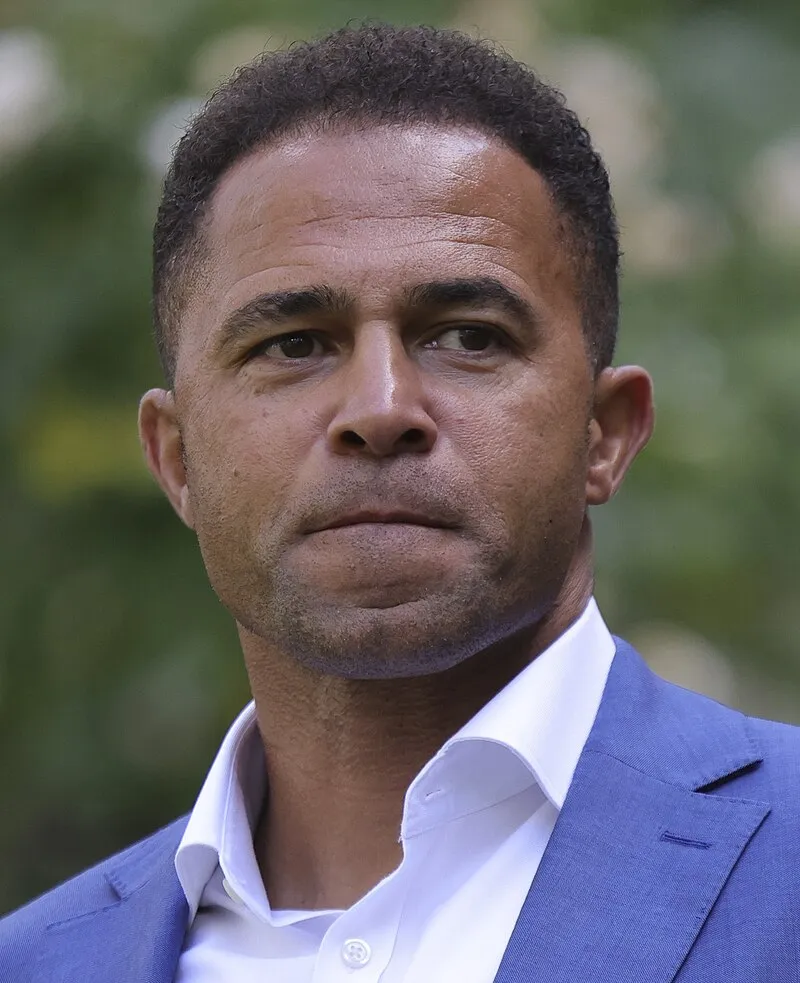
Photo of Martin Johnson, via Wikimedia Commons
Martin Johnson is not a man who does things by halves. Whether anchoring a lineout at Twickenham, lifting the Webb Ellis Cup in Sydney, or commanding a boardroom in the East Midlands, the former England captain has always operated at the summit of whatever arena he occupies. His financial biography is equally impressive — a structured accumulation of wealth that spans professional rugby's most transformative decades.
 Photo: Martin Johnson, via i.pinimg.com
Rugby Net Worth estimates Martin Johnson's current net worth at approximately £8 million, a figure built through a combination of professional contracts, international match fees, management earnings, corporate speaking, media work, and shrewd personal investment.
From Rugby Union Amateur to Professional Pioneer
Johnson's early career straddled one of sport's most significant economic shifts. When rugby union turned professional in 1995, Johnson was already a first-choice lock for Leicester Tigers and a recognised England international. The transition opened the door to salaries that his predecessors had never enjoyed, and Johnson was well positioned to capitalise.
 Photo: Leicester Tigers, via i.pinimg.com
At Leicester, he became the cornerstone of one of club rugby's most successful sides. His contracts at Welford Road, particularly during the late 1990s and early 2000s when the Tigers won back-to-back Heineken Cups in 2001 and 2002, are estimated to have peaked at approximately £300,000 per season — a substantial sum for the era and reflective of his status as arguably the finest lock forward in the world game.
Over the course of a professional club career spanning nearly a decade at the highest level, his cumulative club earnings are estimated at between £2 million and £2.5 million.
England Contracts and the Sydney Dividend
Johnson's England career brought additional financial reward through central contracts and match fees. During the professional era, England international match fees ranged from approximately £5,000 to £15,000 per appearance, with significant bonuses attached to tournament performance.
His crowning moment — captaining England to the 2003 Rugby World Cup — carried a reported squad bonus structure that, when combined with his personal match fees across the tournament, is estimated to have added £150,000 to £200,000 to his earnings in that single year alone. The World Cup victory also turbocharged his commercial appeal in the months that followed, with demand for his time from sponsors and media outlets reaching its peak.
Across his 84 England caps, total international earnings are conservatively estimated at £700,000 to £900,000, inclusive of tournament bonuses.
The Management Chapter: Salary Without the Silverware
Johnson's return to English rugby as national team manager between 2008 and 2011 represented a different kind of financial chapter. His managerial salary with the Rugby Football Union is believed to have been in the region of £500,000 per annum, making his three-year tenure worth approximately £1.5 million in direct earnings.
The period was, by most assessments, a professional disappointment. England's 2011 World Cup campaign ended in a quarter-final defeat to France, and a series of off-field controversies undermined the tenure. Johnson departed by mutual consent in November 2011. However, from a purely financial perspective, the role represented solid earnings with minimal personal commercial risk, and his reputation among corporate audiences remained largely intact.
Corporate Speaking and the Leadership Premium
Perhaps the most underappreciated dimension of Johnson's post-playing wealth is his career as a corporate speaker. His story — a working-class boy from Solihull who became a two-time Heineken Cup winner, two-time Lions tour captain, and World Cup-winning skipper — is precisely the narrative that blue-chip British companies pay handsomely to hear.
Johnson commands fees estimated at between £15,000 and £30,000 per engagement, and with the rugby speaking circuit active year-round, conservative estimates suggest he delivers between 20 and 40 engagements annually. That translates to an estimated £400,000 to £600,000 per year from this channel alone — making it one of his most consistent and lucrative ongoing revenue streams.
Punditry, Broadcasting, and the Media Portfolio
Johnson has maintained a visible presence in rugby broadcasting, most notably through his work with BT Sport (now TNT Sports), where he has served as a studio analyst and expert commentator. Punditry contracts of this nature typically carry annual fees in the range of £100,000 to £200,000 for high-profile former internationals, and Johnson's authoritative presence makes him a natural fit for premium rugby coverage.
He has also contributed to documentary projects, print media, and rugby-focused digital content, adding further incremental income to his media portfolio. Across all broadcast and media activity, annual earnings in this space are estimated at approximately £150,000 to £250,000.
Business Interests and Personal Investment
Johnson has maintained a deliberately private approach to his personal financial affairs, but it is understood that he holds interests in property and has made modest investments in business ventures linked to the sporting and hospitality sectors in the East Midlands. His continued association with Leicester Tigers in an ambassadorial capacity also generates income, with club ambassador roles of this nature typically valued at £50,000 to £100,000 per year.
His property portfolio, centred in Leicestershire, is estimated to be worth in excess of £1.5 million, representing a stable long-term asset base.
Net Worth Summary
| Revenue Stream | Estimated Contribution |
|---|---|
| Club contracts (Leicester, career) | £2.0m – £2.5m |
| England match fees and World Cup bonuses | £700k – £900k |
| RFU management salary | £1.5m |
| Corporate speaking (ongoing) | £400k – £600k/year |
| Media and punditry | £150k – £250k/year |
| Property portfolio | £1.5m+ |
| Business and ambassadorial roles | £50k – £100k/year |
Estimated Net Worth 2026: £8 million
The Johnson Standard
Martin Johnson's financial story is, in many respects, a mirror of his playing career — built on consistency, authority, and an unflinching refusal to be second best. He was not the most naturally gifted player of his generation, but he was arguably the most effective, and that same quality of disciplined accumulation characterises his wealth-building journey.
For a man who began his professional career just as rugby union discovered money, Johnson has navigated the economics of the sport with the same quiet intelligence he brought to every lineout he ever contested. At 55, with his speaking career in full flow and his media commitments ongoing, the Johnson financial machine shows no signs of slowing.