Jason Robinson Net Worth 2026 - Billy Whizz's Remarkable Journey From Wigan to World Cup Wealth
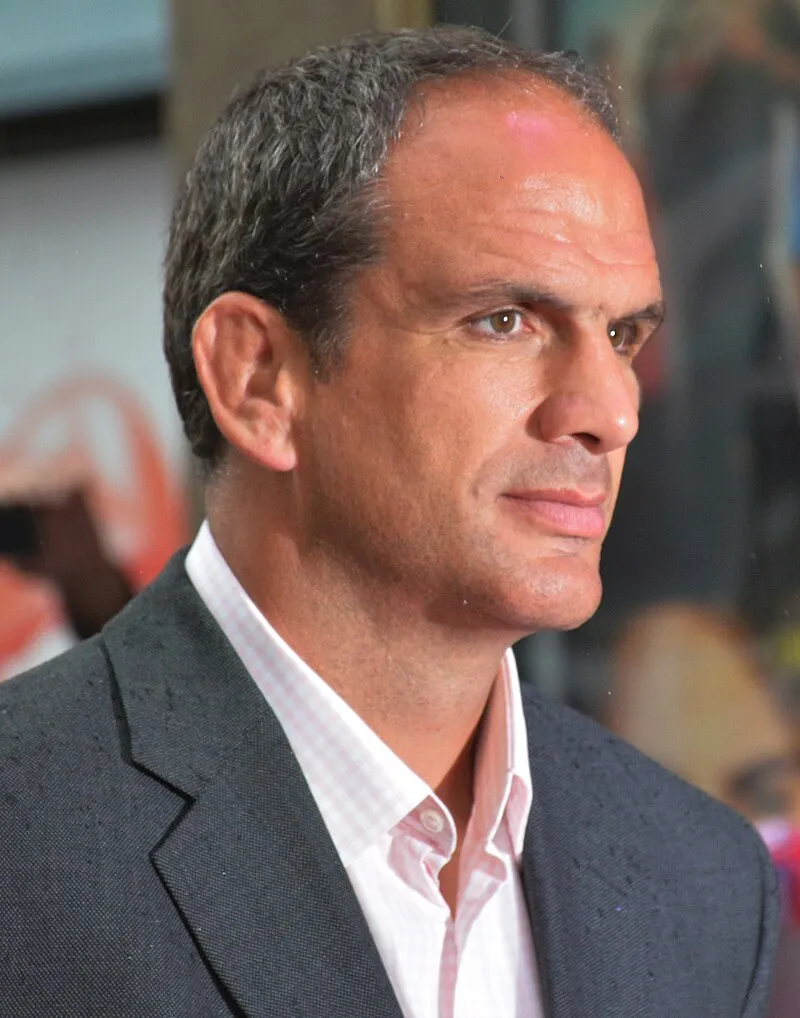
Photo of Jason Robinson, via Wikimedia Commons
Jason Robinson Net Worth 2026 - Billy Whizz's Remarkable Journey From Wigan to World Cup Wealth
Jason Robinson is a name that resonates far beyond the boundaries of rugby union. Known affectionately as 'Billy Whizz' — a nickname that perfectly captured his devastating acceleration and sidestep — Robinson carved out a career that spanned both codes of rugby, earned him a World Cup winner's medal, and established a post-playing life of genuine purpose and financial substance. Rugby Net Worth estimates his 2026 net worth at approximately £5 million.
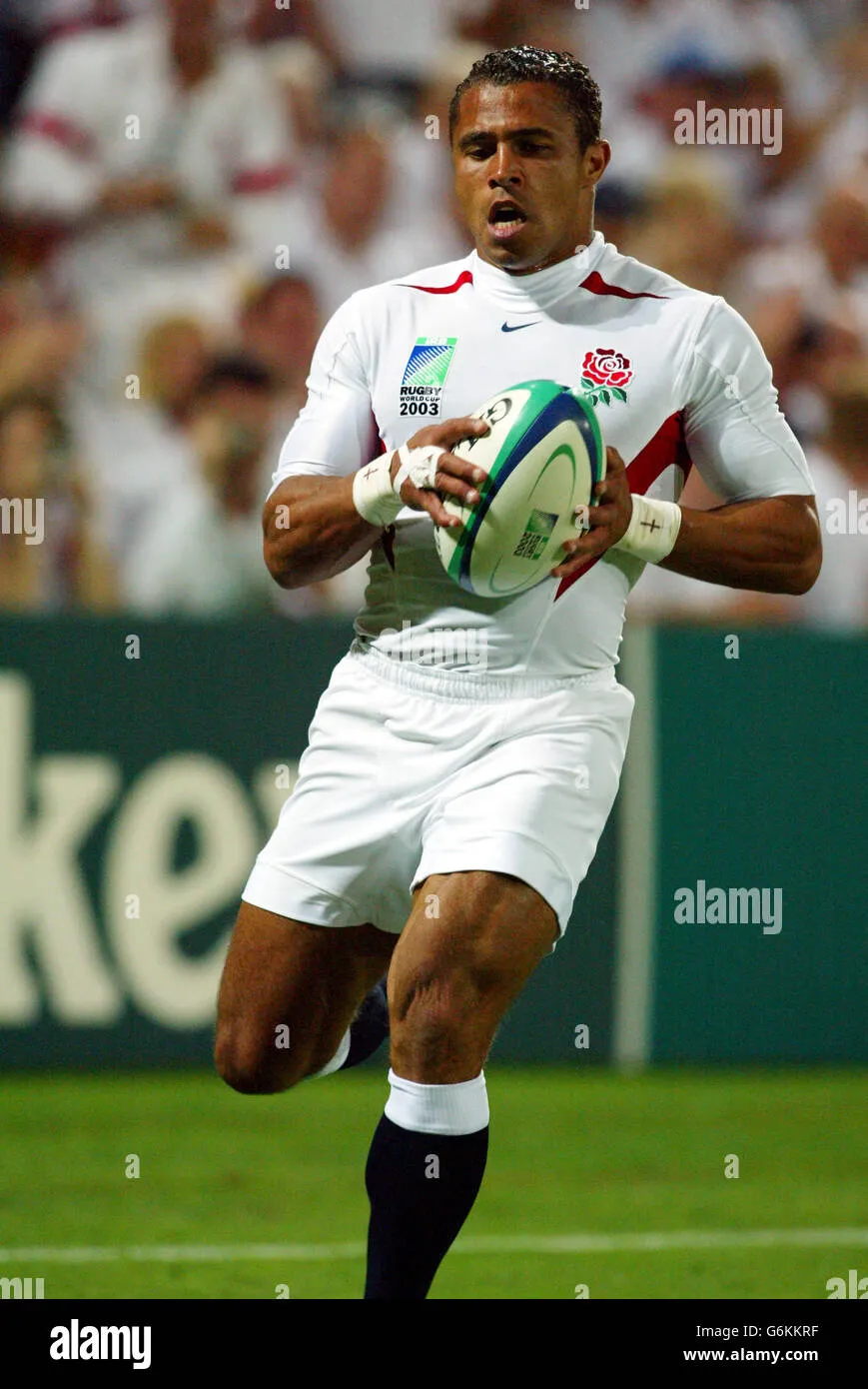 Photo: Jason Robinson, via c8.alamy.com
The Wigan Years: Building the Foundation in Rugby League
Robinson was born in Leeds in 1974 and grew up in circumstances that were, by his own frank admission, far from straightforward. His discovery by Wigan Warriors as a teenager proved transformative, both personally and professionally. Under the guidance of Wigan, Robinson became one of the most feared attackers in rugby league, winning multiple Super League titles and Challenge Cup medals during a period when Wigan were the dominant force in the northern code.
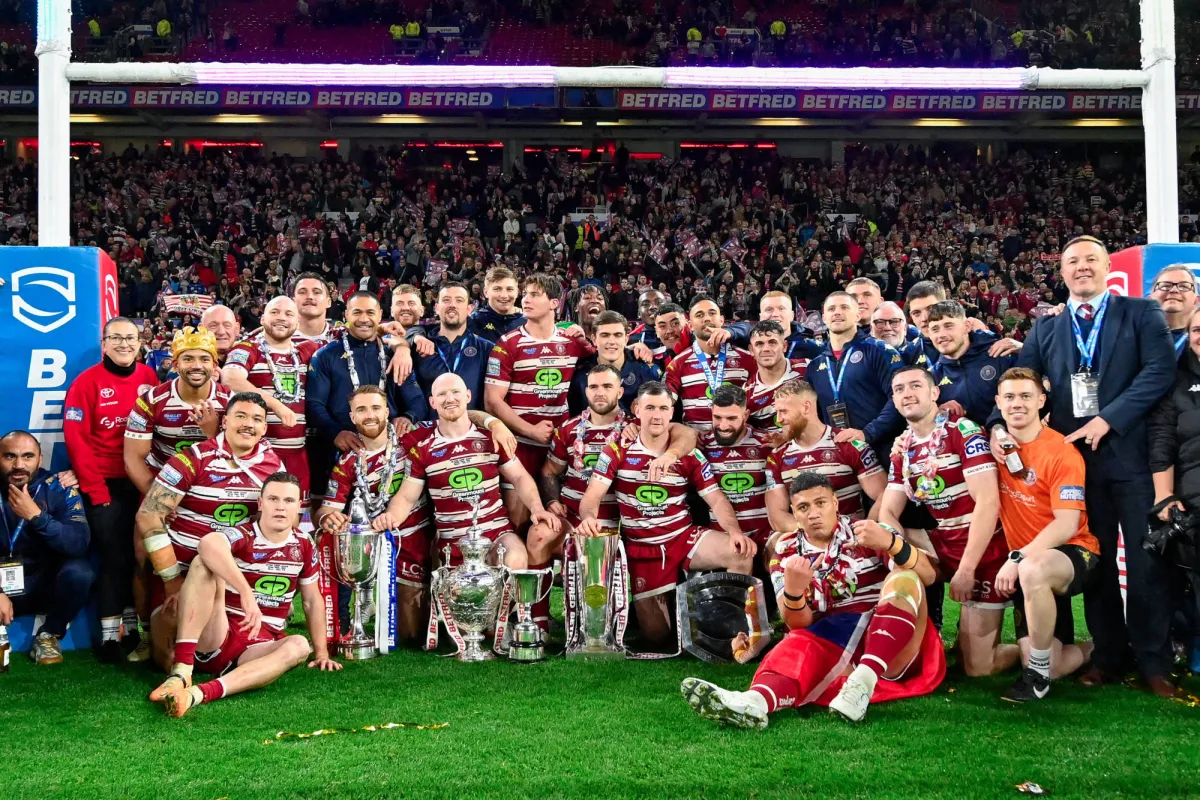 Photo: Wigan Warriors, via d81ytli4jheil.cloudfront.net
At his peak at Wigan, Robinson's annual earnings in rugby league are estimated to have been in the region of £150,000 to £200,000 per season — a significant sum in the mid-to-late 1990s, and one that placed him among the better-remunerated players in the game. Across his Wigan career, his cumulative league earnings are estimated to have totalled approximately £1 million to £1.2 million.
His performances for Great Britain in rugby league further enhanced his profile and provided additional match-fee income, though the sums involved were modest by comparison with his club earnings.
The Code Switch: Sale Sharks and the Union Windfall
When Robinson made the celebrated switch to rugby union in 2000, joining Sale Sharks, it represented one of the most significant transfers in the sport's history. His move was not merely a sporting decision; it was a commercially astute one. Sale Sharks, recognising the marketing value of acquiring one of the most recognisable faces in British rugby, offered Robinson a contract that was reported at the time to be worth in the region of £300,000 to £400,000 per annum.
His arrival in union generated enormous media interest, and Sale benefited substantially from the associated publicity. For Robinson, the financial terms represented a meaningful step up from his latter-day league earnings, and the exposure of the union game — with its international circuit and Lions tours — opened commercial doors that league could not.
Across his time at Sale Sharks, his club earnings in union are estimated to have contributed approximately £1.5 million to £1.8 million to his overall career total.
England and the Lions: International Riches
Robinson's rapid integration into the England setup was remarkable. He made his England debut in 2001 and quickly established himself as one of the most dangerous finishers in the international game. His performances earned him a place in Clive Woodward's squad for the 2003 Rugby World Cup, and it was on that stage that he produced what many consider the defining moment of his career — a searing break and try in the World Cup final against Australia that set England on their way to a historic triumph.
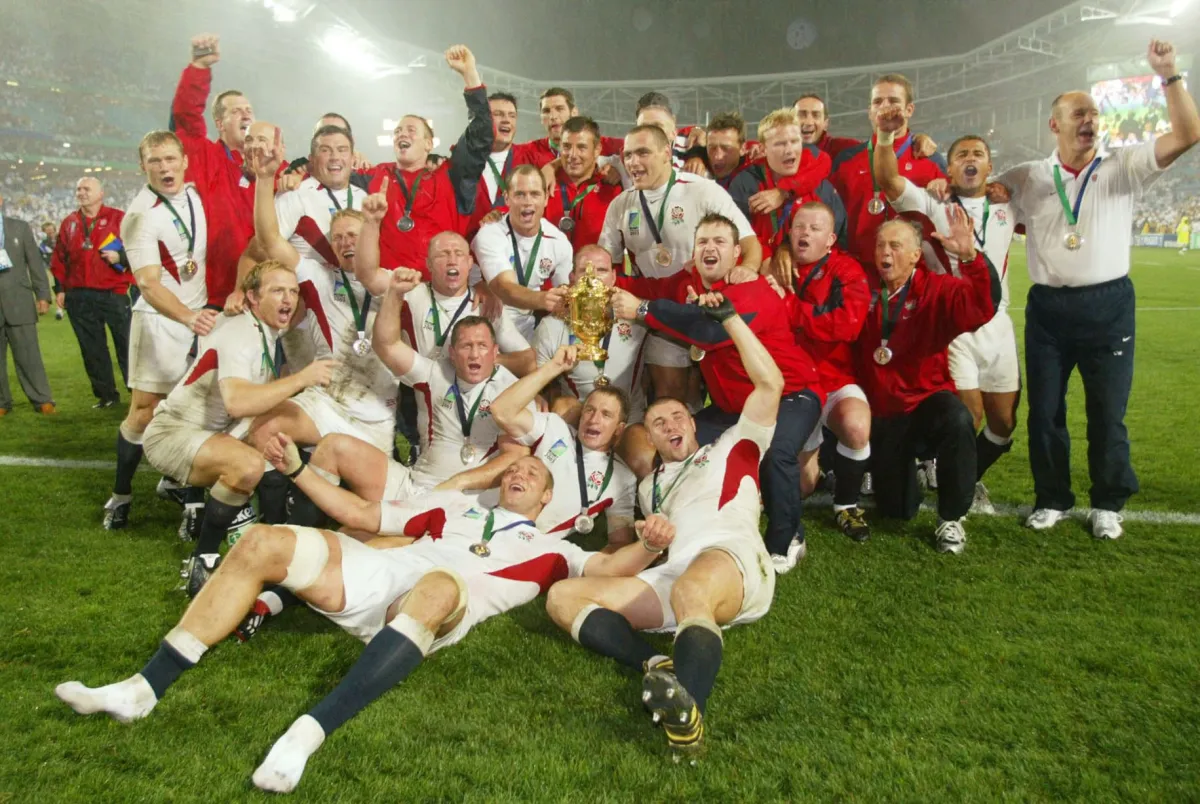 Photo: 2003 Rugby World Cup, via i2-prod.chroniclelive.co.uk
England match fees during his international career ranged from approximately £10,000 to £20,000 per appearance, and across 51 caps for England, his international earnings are estimated at £500,000 to £700,000. His Lions tours — he toured with the Lions in 2001 and 2005 — added further prestige and additional income to his portfolio.
The 2003 World Cup Final Try and Its Commercial Legacy
The try Robinson scored in the 2003 World Cup final — collecting a pass from Jonny Wilkinson, beating Wendell Sailor on the outside, and touching down in the corner — was the moment that elevated him from celebrated rugby player to national sporting icon. The commercial opportunities that flowed from that single moment were substantial.
In the years following the World Cup, Robinson's profile attracted endorsement interest from a range of brands. His image appeared in advertising campaigns, and his after-dinner speaking engagements commanded premium fees. Appearance work and brand partnerships in the post-2003 period are estimated to have generated in the region of £400,000 to £600,000 over the subsequent five years.
His autobiography, Finding My Feet, published in 2003, was a significant commercial success in the UK market. Candid about his personal struggles before his Christian conversion, the book resonated with a broad readership well beyond the traditional rugby audience. Advances and royalties from the book are estimated to have contributed approximately £200,000 to £300,000 to his earnings.
Faith, Motivational Speaking, and Post-Career Income
Robinson's Christian faith has been central to his identity since the early years of his career, and it has also shaped his post-playing professional life in meaningful ways. His work as a motivational speaker — addressing corporate audiences, schools, and faith communities across the UK — has become a significant income stream. Motivational speakers of his profile and with his story command fees of between £5,000 and £20,000 per engagement, and with a busy speaking schedule maintained over many years, this income stream is estimated to have contributed in excess of £1 million to his post-career earnings.
His Christian outreach work, whilst not primarily a commercial endeavour, has brought him into contact with organisations and events that have maintained his public profile and supported the broader commercial ecosystem around his personal brand.
Broadcasting and Media Punditry
Robinson has maintained a presence in the broadcast media, appearing as a pundit and analyst for rugby coverage in the UK. His insight as a former World Cup winner, combined with his natural charisma, has made him a valuable contributor to match-day panels and documentary projects. Media income at his level is estimated to have contributed £300,000 to £500,000 over the course of his post-retirement broadcasting career.
Business and Real Estate Interests
Robinson has invested in property and has been associated with a number of business interests in the north of England, where his roots and personal networks remain strong. Whilst the specific details of his property portfolio are not publicly disclosed, it is understood to represent a meaningful portion of his overall wealth. His business interests, including commercial investments and consultancy arrangements, are estimated to contribute a further £300,000 to £400,000 to his net worth.
Net Worth Summary
| Income Stream | Estimated Contribution |
|---|---|
| Rugby league earnings (Wigan) | £1.0m – £1.2m |
| Union club earnings (Sale Sharks) | £1.5m – £1.8m |
| England & Lions match fees | £500,000 – £700,000 |
| Post-World Cup endorsements | £400,000 – £600,000 |
| Autobiography royalties | £200,000 – £300,000 |
| Motivational speaking | £800,000 – £1.0m |
| Broadcasting & media | £300,000 – £500,000 |
| Property & business | £300,000 – £400,000 |
The Bottom Line
Jason Robinson's estimated net worth of £5 million in 2026 is the product of a life lived with extraordinary intensity and purpose. From a difficult upbringing in Leeds to the summit of world rugby, and from there into a post-career built on faith, storytelling, and commercial acumen, Robinson has constructed a financial legacy that is as much a reflection of his character as it is of his considerable sporting achievements. In the landscape of British rugby's financial history, Billy Whizz remains a figure of enduring relevance — and enduring value.