Martin Johnson Net Worth 2026 - The Iron Captain's Journey From Leicester to Financial Legend

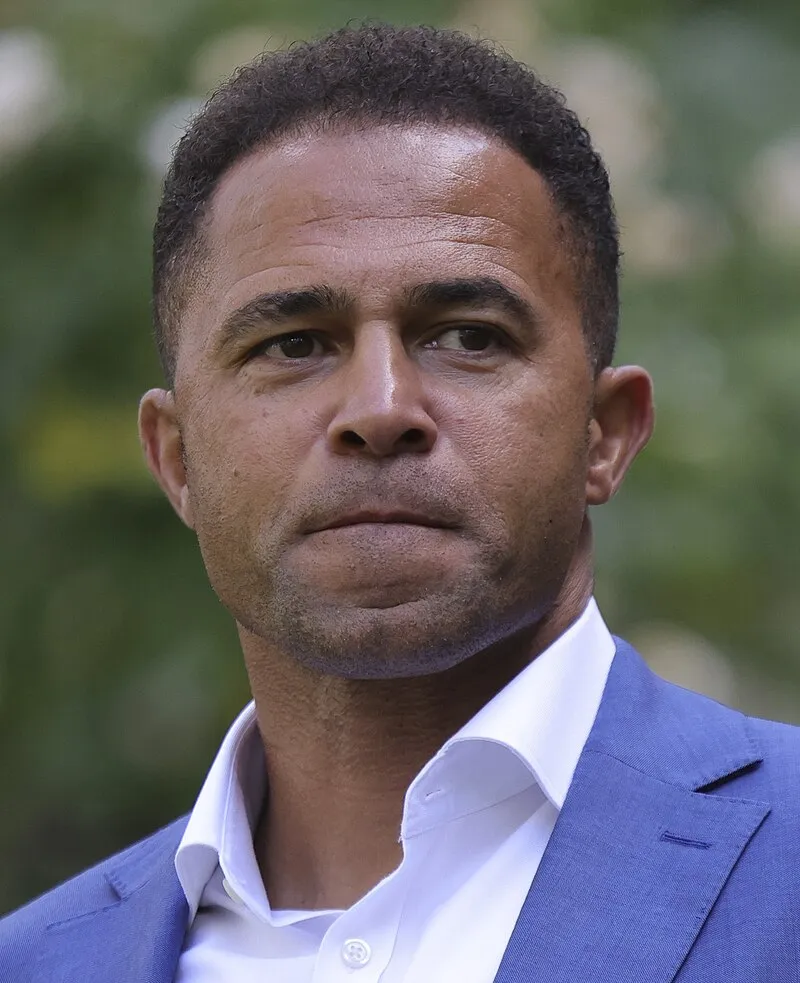
Photo of Martin Johnson, via Wikimedia Commons
Martin Johnson Net Worth 2026 - The Iron Captain's Journey From Leicester to Financial Legend
Few figures in English rugby carry the same weight as Martin Johnson. The towering lock forward who led Leicester Tigers to back-to-back Heineken Cups and captained England to World Cup glory in Sydney in 2003 has, in the years since hanging up his boots, built a financial portfolio that reflects the same discipline and resolve that defined his playing career. Rugby Net Worth estimates Martin Johnson's net worth in 2026 at approximately £6 million.
From Market Harborough to the Pinnacle of the Game
Johnson was born in Solihull in 1970 and grew up in Market Harborough, Leicestershire. His early association with Leicester Tigers would prove to be the cornerstone of both his rugby identity and his financial foundation. During the professional era that dawned in 1995, Johnson was among the first wave of English players to benefit from formal club contracts. At his peak, his annual salary at Welford Road is believed to have been in the region of £250,000 to £300,000 — a figure that placed him at the very top of the English domestic pay scale at the time.
Over a career spanning more than a decade in the professional game, his cumulative club earnings are estimated to have exceeded £2 million, a substantial sum for a player of his era. His four Premiership titles and two European Cups with Leicester were not merely trophies; they were the commercial backdrop against which his market value was continually reassessed upwards.
England and the Lions: Match Fees and Tour Earnings
Johnson earned 84 caps for England between 1993 and 2003, a period during which international match fees were modest by modern standards but nonetheless meaningful when accumulated over a long international career. England match fees during his tenure ranged from approximately £5,000 to £15,000 per appearance, depending on the competition and the era. Across his international career, his match-fee income alone is estimated to have contributed around £400,000 to £500,000.
His Lions tours — 1993, 1997, and 2001 — added further layers to his earnings, both in direct fees and in the profile they afforded him commercially. His captaincy of the 1997 Lions tour to South Africa, which ended in a famous series victory, elevated him to a status that transcended domestic rugby and opened doors to a broader commercial audience.
The 2003 World Cup and Its Commercial Aftermath
If there was a single moment that crystallised Johnson's commercial value, it was lifting the Webb Ellis Cup in Sydney on 22 November 2003. That image — Johnson, stoic and imposing, raising the trophy — became one of the defining sporting photographs of the decade in Britain. The commercial opportunities that followed were considerable.
In the years immediately after the World Cup, Johnson engaged in a range of endorsement and appearance deals. While he was never the most aggressively marketed member of that England squad — that distinction arguably belonged to Jonny Wilkinson — his gravitas and leadership profile attracted corporate clients seeking credibility. Appearance fees, after-dinner speaking engagements, and brand partnerships during this period are estimated to have generated in the region of £500,000 to £800,000 over the five years following retirement.
His autobiography, Martin Johnson: The Autobiography, published in 2003, was a commercial success in the UK market, with strong sales in the run-up to and following the World Cup. Royalties and advances from the book are believed to have contributed a further £150,000 to £200,000 to his overall earnings.
Coaching, Management, and the England Chapter
Johnson's appointment as England team manager in 2008 represented both a personal ambition and a significant professional contract. His tenure, which ran until 2011 following England's disappointing Rugby World Cup campaign in New Zealand, came with a reported annual salary of approximately £500,000, making it one of the most lucrative positions in the domestic game at the time. Across three years in the role, his managerial earnings totalled an estimated £1.5 million.
Whilst the on-field results were mixed and his resignation brought the chapter to an abrupt close, the experience added a further dimension to his professional profile and did not significantly diminish his commercial standing.
Broadcasting and Punditry Income
Since stepping back from management, Johnson has maintained a visible media presence. His work as a pundit and analyst for broadcasters including ITV and BT Sport has provided a steady income stream. Rugby punditry contracts at his level typically command between £80,000 and £200,000 per annum, depending on the volume of appearances and the broadcaster involved. Over a decade of intermittent media work, this income stream is estimated to have contributed in excess of £1 million to his overall financial picture.
His measured, authoritative delivery has made him a trusted voice in the commentary box, and his association with major tournaments — including the Six Nations and the Rugby World Cup — ensures continued demand for his analysis.
Business Interests and Real Estate
Johnson has maintained a relatively private personal financial life, and detailed information regarding specific business ventures is limited. However, it is widely understood that he has invested in property in the East Midlands, a region where his long association with Leicester Tigers has given him both local knowledge and community standing. Property investments in this area, accumulated over two decades, are estimated to represent a significant portion of his overall wealth.
He has also been involved in various commercial consultancy and ambassador roles associated with Leicester Tigers over the years, maintaining a relationship with the club that extends beyond sentiment into structured financial arrangements.
Net Worth Summary
| Income Stream | Estimated Contribution |
|---|---|
| Club contracts (Leicester Tigers) | £2.0m – £2.5m |
| International match fees (England & Lions) | £400,000 – £500,000 |
| Post-World Cup endorsements & appearances | £500,000 – £800,000 |
| Autobiography royalties | £150,000 – £200,000 |
| England management salary | £1.2m – £1.5m |
| Broadcast punditry | £800,000 – £1.0m |
| Property & business interests | £500,000 – £750,000 |
The Bottom Line
Martin Johnson's estimated net worth of £6 million in 2026 is the product of a career built on consistency, leadership, and an uncompromising commitment to excellence — qualities that translated as naturally into the boardroom and the broadcast studio as they did on the rugby field. He may not be the wealthiest player to have emerged from the professional era of English rugby, but his financial legacy is as solid and enduring as the man himself. In a sport that increasingly rewards those who manage their careers intelligently, Johnson's journey from Welford Road to financial security stands as a model of disciplined accumulation.