Martin Johnson Net Worth 2026 - How England's Iron Captain Forged a Financial Dynasty Beyond Twickenham

Photo of Martin Johnson, via Wikimedia Commons
Martin Johnson Net Worth 2026 - How England's Iron Captain Forged a Financial Dynasty Beyond Twickenham
In the annals of English rugby, few names carry the weight of Martin Johnson. The man who lifted the Webb Ellis Cup on that unforgettable November night in Sydney 2003 did not merely collect a winner's medal — he cemented a personal brand that has continued generating substantial income for over two decades. In 2026, Martin Johnson's estimated net worth stands at approximately £8 million to £10 million, a figure built brick by brick through a career that spanned the amateur-to-professional transition, a storied coaching tenure, and a media presence that endures to this day.
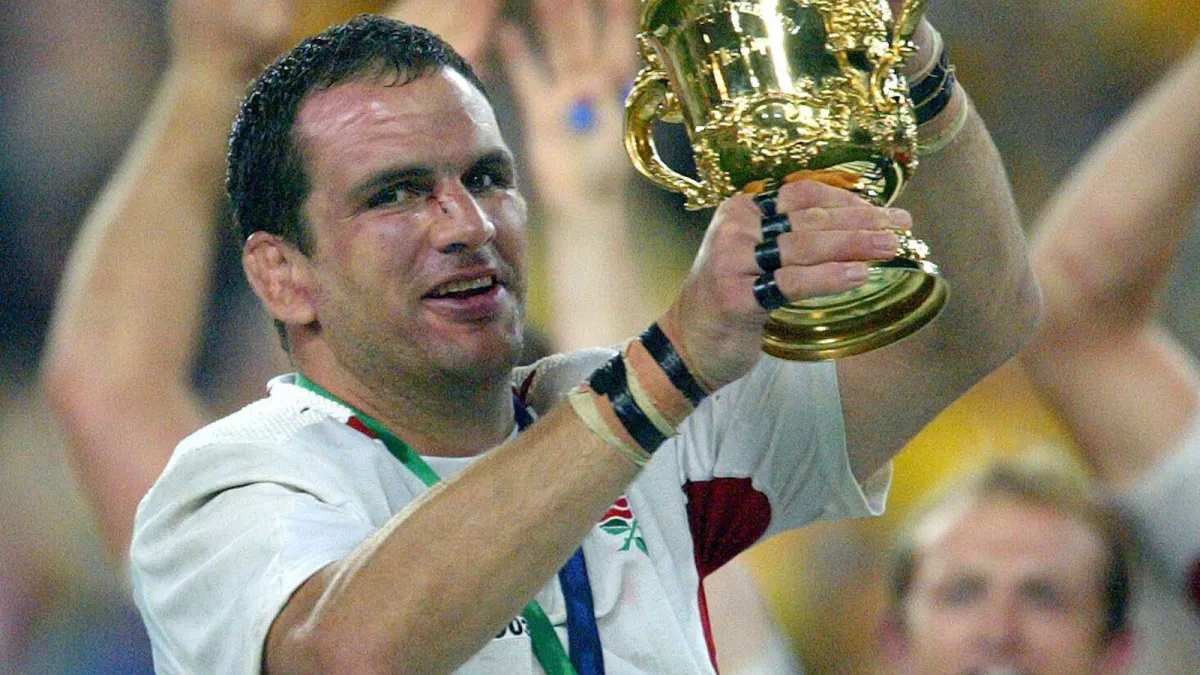 Photo: Martin Johnson, via d3gbf3ykm8gp5c.cloudfront.net
From Oadby to Immortality: The Playing Career Foundation
Johnson's financial journey began modestly. He came of age precisely as the Rugby Football Union declared the sport professional in 1995, meaning his earlier years at Leicester Tigers were compensated at rates that would appear almost quaint by modern standards. His pre-professional wages are estimated to have been in the region of £20,000 to £30,000 per annum — respectable for the era, but hardly the foundation of lasting wealth.
 Photo: Leicester Tigers, via www.ruck.co.uk
Once professionalism arrived, however, the Tigers were among the first clubs to invest seriously in retaining their most prized assets. By the late 1990s, Johnson's annual salary at Welford Road is believed to have risen to between £150,000 and £250,000, placing him among the sport's highest earners in England. During his peak years — which coincided with back-to-back European Cup victories in 2001 and 2002 — those figures climbed further still. Over the course of a professional playing career spanning roughly a decade, Johnson's aggregate club earnings are conservatively estimated at £1.5 million to £2 million.
England's match fees during that period were comparatively modest — typically in the range of £2,000 to £5,000 per Test appearance — but Johnson's 84 caps, including his captaincy record, would have contributed a cumulative sum approaching £300,000 to £400,000 when bonuses, tournament fees, and World Cup win payments are factored in.
The Commercial Value of a World Cup Winner
The 2003 World Cup victory transformed Johnson's commercial appeal overnight. Pre-tournament endorsement deals had been relatively limited; post-Sydney, the market for his image and association shifted considerably. Partnerships with sportswear brands, financial services companies, and promotional campaigns followed, though Johnson has never been one to aggressively court commercial relationships. Nonetheless, endorsement and sponsorship income during the height of his fame is estimated to have contributed £500,000 to £800,000 in total across the mid-2000s.
His autobiography, Martin Johnson: The Autobiography, published in 2003, became a bestseller in the UK, adding a meaningful — if not transformative — literary income stream. Combined with public appearance fees and after-dinner speaking engagements that commanded upwards of £10,000 to £15,000 per event, Johnson's immediate post-retirement years were comfortably lucrative.
The England Head Coach Chapter
Johnson's appointment as England head coach in 2008 represented a significant salary step up from media and speaking work. His compensation package with the RFU is reported to have been in the region of £500,000 per annum, making it one of the most financially rewarding phases of his post-playing life. The tenure itself was turbulent — culminating in his resignation following a difficult 2011 Rugby World Cup campaign — but the financial remuneration over three years is estimated at approximately £1.5 million before severance considerations.
Whilst the coaching experiment ultimately disappointed on the field, it did little to diminish Johnson's standing within the broader rugby community, and if anything, it reinforced his authority as a voice worth hearing.
Punditry, Broadcasting, and the Media Income Stream
Perhaps the most consistent revenue stream of Johnson's post-coaching career has been his work as a broadcaster and analyst. His association with BT Sport — now TNT Sports — and periodic appearances on ITV during major tournaments have provided a steady platform. Experienced rugby pundits at his level of profile typically command annual retainer fees in the range of £150,000 to £300,000, and Johnson's measured, authoritative delivery has made him a reliable fixture on major match coverage.
His presence during the Six Nations and autumn internationals, combined with World Cup cycles, ensures that broadcasting income remains a meaningful pillar of his annual earnings. Across a decade of consistent media work, this stream alone is estimated to have contributed in excess of £2 million to his overall financial position.
Speaking Engagements and the Leadership Brand
Beyond broadcasting, Johnson has cultivated a compelling secondary career as a leadership and motivational speaker — a natural extension of his on-field persona. Corporate clients across the UK, from financial institutions in the City of London to manufacturing conglomerates in the Midlands, have paid premium rates to hear his insights on high-performance culture, team cohesion, and decision-making under pressure.
Estimates suggest Johnson delivers between 15 and 25 paid speaking engagements annually, with fees typically ranging from £10,000 to £20,000 per appearance. At a conservative midpoint, this generates somewhere in the region of £200,000 to £300,000 per year — a figure that compounds meaningfully over time.
Business Interests and Real Estate
Johnson has maintained a relatively private approach to his business dealings, but it is known that he holds property interests in Leicestershire, where he has been based for the majority of his adult life. The East Midlands property market, whilst less headline-grabbing than London, has delivered solid long-term appreciation. His primary residence and any investment properties are estimated to represent a combined asset value of £2 million to £3 million.
Beyond property, Johnson has been linked with advisory roles and non-executive involvement with sports-related enterprises, though specific details remain largely undisclosed. These interests are estimated to contribute a modest but not insignificant supplementary income.
Net Worth Summary: The Full Financial Picture
Piecing together the various strands of Martin Johnson's financial life, Rugby Net Worth estimates his 2026 net worth at between £8 million and £10 million. This figure encompasses career playing earnings, coaching salary, broadcasting retainers, speaking fees, endorsement income, literary royalties, and property assets.
What is perhaps most striking about Johnson's financial profile is its resilience. Unlike some sporting figures whose wealth peaks sharply and then erodes, his income streams have remained diversified and relatively consistent. The World Cup winner's medal has never stopped paying dividends — not in pounds and pence, but in the credibility and authority that underpin every commercial relationship he maintains.
For a man who once described himself simply as a rugby player from Leicester, Martin Johnson has constructed a financial legacy as enduring as the tackles that defined his playing days.