Malcolm Marx Net Worth 2026 - The Hooker Who Mastered the Financial Breakdown
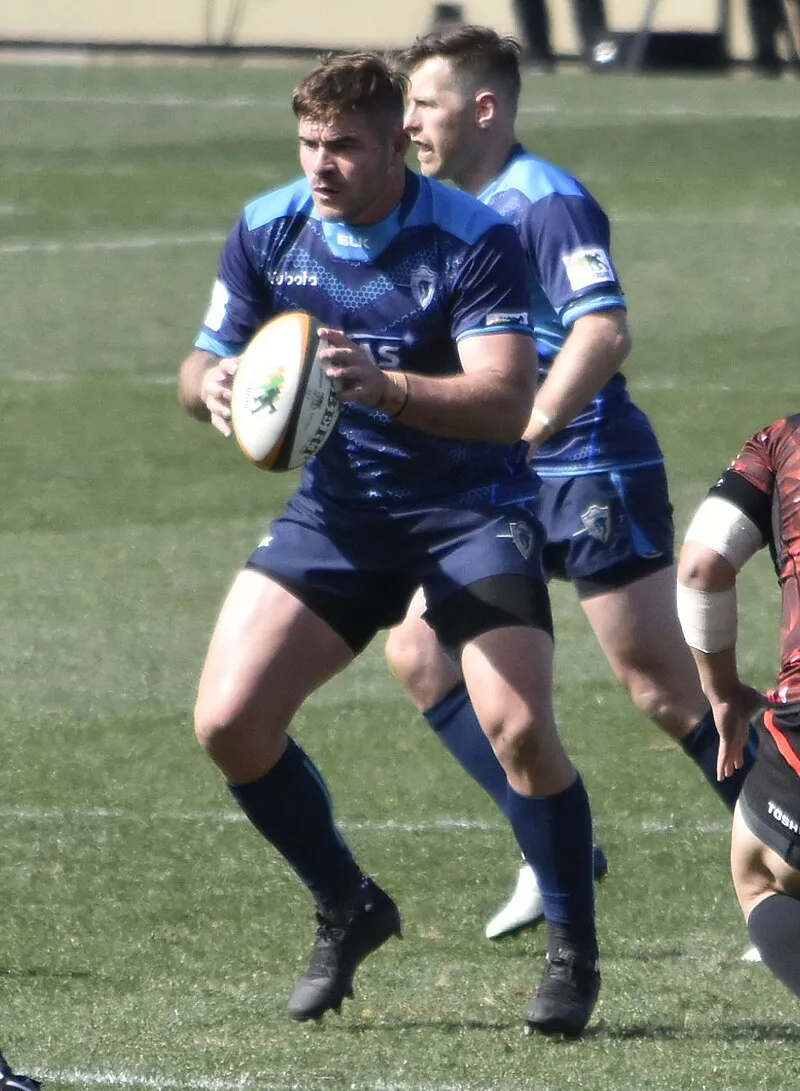
Photo of Malcolm Marx, via Wikimedia Commons
The position of hooker rarely commands the same commercial glamour as the backs who score the tries or the flyhalves who orchestrate the play. Yet Malcolm Marx has spent years rewriting that particular narrative — both in terms of rugby performance and financial accumulation. Estimated at approximately £4.2 million as of 2026, his net worth is a testament to longevity at the elite level, strategic contract management, and a commercial profile that has grown steadily throughout one of the most decorated careers in Springbok history.
A Career Built on Dominance
Marx announced himself to the world during the 2017 British and Irish Lions series, when his scrummaging power and dynamic carrying ability drew comparisons to the very best hookers the sport has ever produced. From that point forward, his earning power grew in direct proportion to his reputation.
His journey has taken him from Lions Rugby in Johannesburg through to the Kubota Spears in Japan and subsequently into the Japanese Top League structure — a pathway that has become increasingly common among Springbok forwards seeking to maximise their earning window without severing international eligibility. Each chapter of his career has added a new income stream to a portfolio that is now both diversified and substantial.
Club Contract Earnings: A Global Earning Strategy
Marx's approach to club rugby has been defined by an astute willingness to explore markets beyond South Africa's borders. His time in Japan proved particularly lucrative: Top League contracts for players of his calibre routinely reach £600,000 to £800,000 per season, supplemented by generous relocation packages, accommodation allowances, and performance-related bonuses.
Upon returning to South African rugby and re-establishing his position within the Lions setup, his domestic earnings settled in the range of £350,000 to £500,000 annually — still highly competitive within the South African context, and bolstered by the commercial revenues that flow from the United Rugby Championship's expanded broadcast footprint.
Over the course of a career spanning more than a decade at the professional level, cumulative club earnings are conservatively estimated to have exceeded £5 million in gross terms, with a significant proportion retained after tax planning and reinvestment.
Springbok Earnings and World Cup Bonuses
As one of South Africa's most capped and celebrated hookers, Marx has benefited from the full suite of Springbok financial rewards. Test match fees, Rugby Championship bonuses, and the extraordinary windfall associated with World Cup victory campaigns have all contributed meaningfully to his overall financial position.
The 2023 Rugby World Cup triumph in France — South Africa's fourth title — carried substantial prize money and performance bonuses for the playing squad, with individual player bonuses for the tournament estimated to have reached £80,000 to £120,000 per squad member at the upper end. For a player of Marx's seniority and contribution, the figure is likely towards that ceiling.
Annual international earnings, inclusive of match fees and tournament bonuses, are estimated at £180,000 to £250,000 across a full Test calendar.
Endorsements and the Commercial Portfolio
Marx's commercial identity has always been rooted in authenticity rather than manufactured celebrity. His brand partnerships have tended to reflect his character — direct, powerful, and unambiguous — and have included associations with South African sporting goods brands, nutrition and recovery supplement companies, and equipment manufacturers serving the professional rugby market.
Endorsement income is estimated at approximately £150,000 to £200,000 per year, a figure that underrepresents his potential given the global recognition he commands. The hooker position has historically been underserved by major commercial brands, but Marx's crossover appeal — particularly in South Africa, Japan, and the United Kingdom — positions him as an exception to that general rule.
His social media presence, whilst not as expansive as some of his more flamboyant counterparts, carries genuine engagement from a dedicated following of forward-play enthusiasts and Springbok supporters, a demographic that certain brands find disproportionately valuable.
Business Ventures and Ownership Interests
Beyond the rugby field and its associated commercial ecosystem, Marx has demonstrated an appetite for business participation that extends into sports-adjacent ventures. Reports from South African financial media have linked him to minority ownership stakes in gym and fitness facilities operating across Gauteng, a sector that aligns naturally with his professional identity and personal interests.
These ventures, whilst relatively modest in their current scale, represent an important strategic step: the transition from athlete-as-earner to entrepreneur-as-investor. For a player approaching the latter stages of his playing career, the establishment of active business interests provides both income diversification and a post-rugby professional identity.
The combined value of his business interests is estimated at approximately £300,000 to £500,000, with growth potential tied closely to his continued public profile.
Property Holdings
In common with many senior Springbok players, Marx has invested in residential property within South Africa's major urban centres. Johannesburg's northern suburbs — home to some of the country's most sought-after residential addresses — have been a particular focus, with property values in areas such as Sandton and Bryanston remaining resilient despite broader economic pressures.
His property portfolio is estimated to carry a current market value of approximately £700,000 to £900,000, representing one of the more stable pillars of his overall financial position.
The Longevity Dividend
Perhaps the most instructive aspect of Malcolm Marx's financial story is the compound effect of sustained excellence. A player who peaks early and declines rapidly may earn substantially for three or four years before their commercial value erodes. Marx, by contrast, has maintained elite-level performance across a decade-long window, meaning that each endorsement renewal, each contract negotiation, and each international tournament has occurred from a position of sustained relevance rather than diminishing leverage.
This longevity dividend — the financial premium that attaches to players who remain at the top of their game for extended periods — is perhaps the most underappreciated element of his wealth-building story.
Summary
With an estimated net worth of £4.2 million in 2026, Malcolm Marx stands as one of the most financially accomplished forwards of his generation. His wealth reflects not a single spectacular payday but rather the accumulated returns of consistent excellence, intelligent contract navigation, and a commercial identity built on genuine sporting credibility. For a hooker who has spent his career doing the unglamorous work that others rarely notice, the financial scoreboard tells a rather different story.