The Immortal Commercial Giant
Eleven years after Jonah Lomu's untimely death in 2015, the rugby legend's financial empire continues to flourish under careful estate management. Current estimates place the ongoing annual revenue generated by the Lomu brand at approximately £2.8 million, with the total estate value having grown to an estimated £15.2 million by 2026.
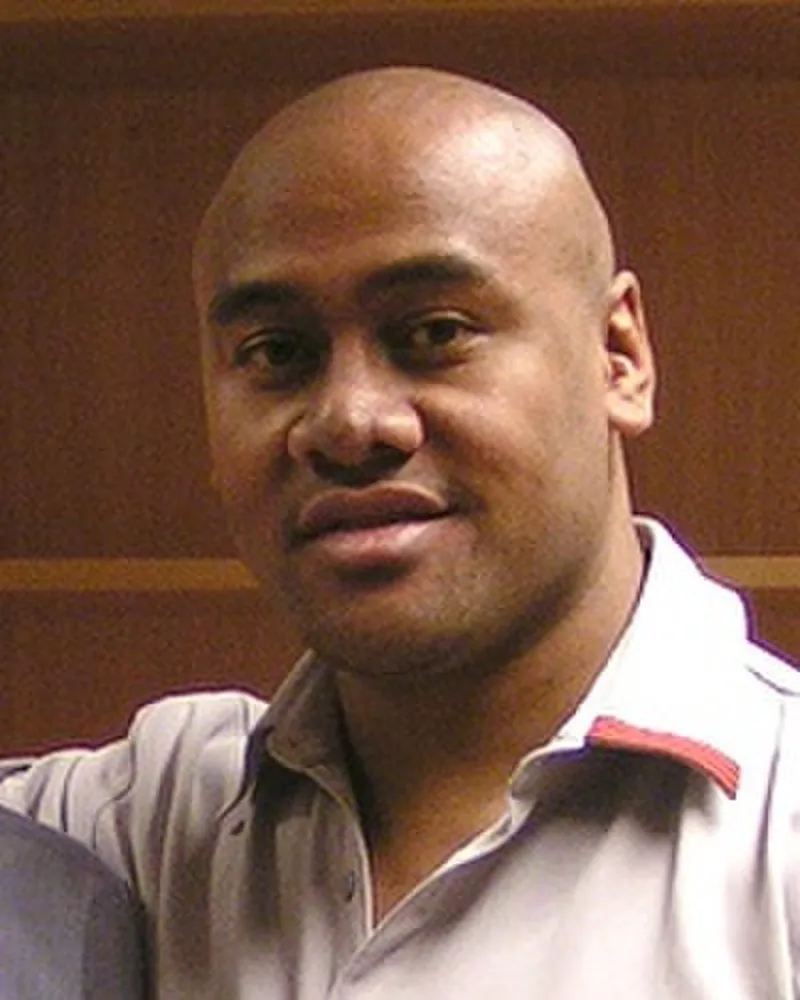
 Photo: Jonah Lomu, via images.pushsquare.com
This remarkable posthumous earning power stems from Lomu's unprecedented status as rugby's first global marketing phenomenon, a position that transformed him from a mere athlete into an enduring commercial brand that transcends the sport itself.
Breaking New Ground in Rugby Commerce
During his playing career from 1994 to 2007, Lomu revolutionised rugby's commercial landscape. His initial professional contracts with Counties Manukau and later Wellington generated modest earnings by today's standards—approximately £45,000 annually in his early years. However, his explosive performances at the 1995 Rugby World Cup transformed him into rugby's most marketable asset virtually overnight.
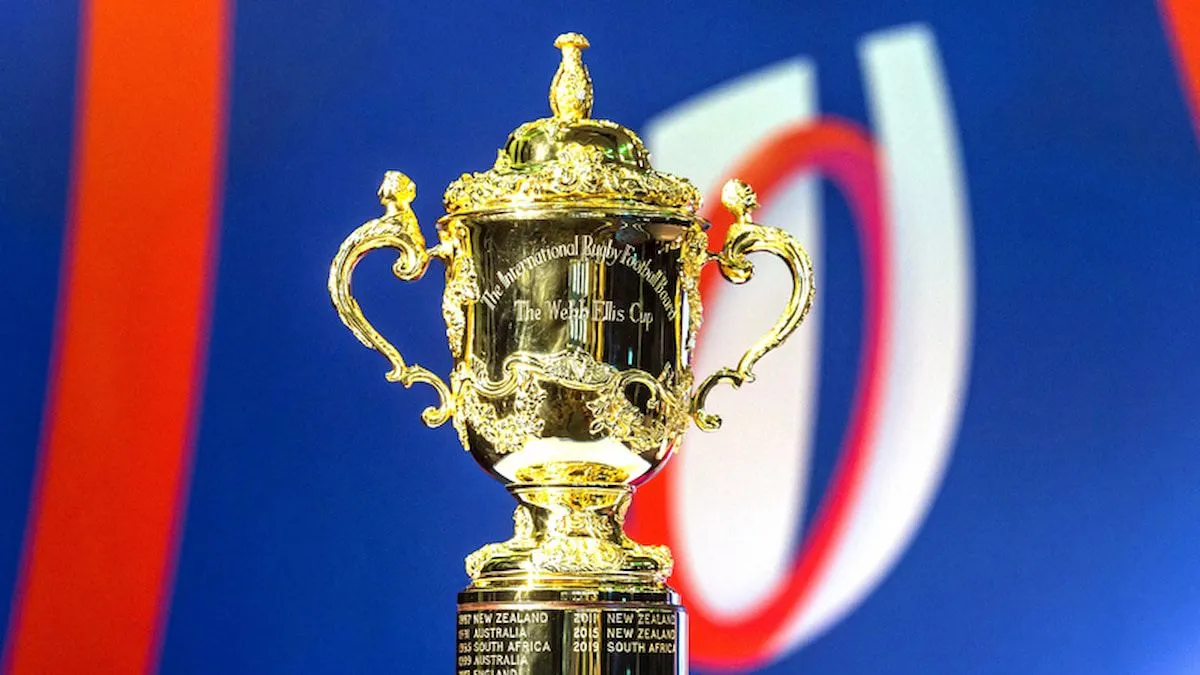 Photo: Rugby World Cup, via www.thesouthafrican.com
The All Blacks winger's international career spanning 73 caps yielded match fees totalling an estimated £890,000, but this represented merely the tip of his financial iceberg. Lomu's true wealth-building came through pioneering endorsement deals that established the template for modern rugby marketing.
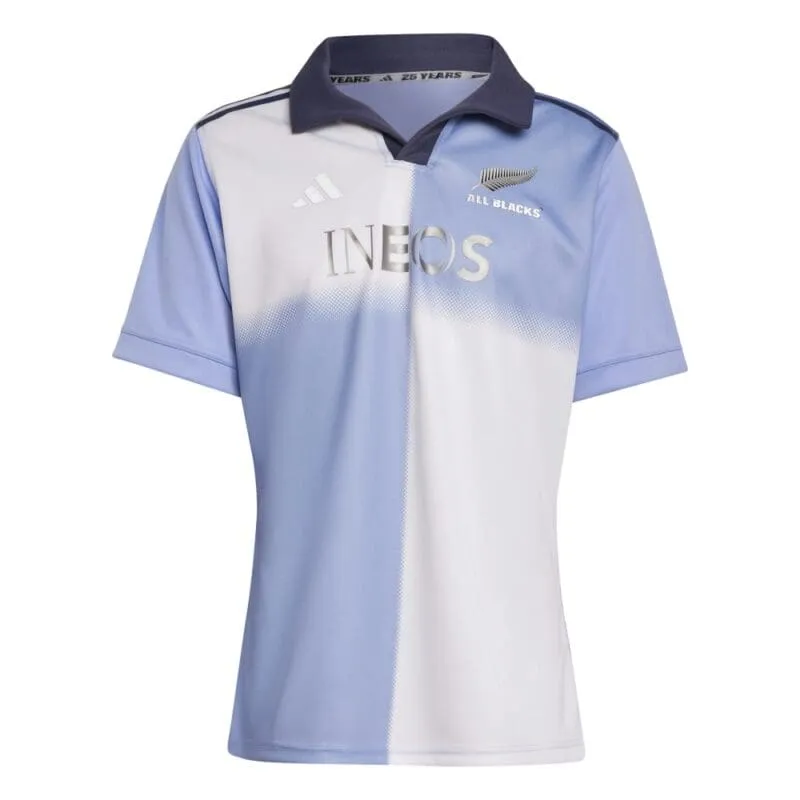 Photo: All Blacks, via champions.co.nz
Endorsement Empire That Changed Everything
Lomu's partnership portfolio during his playing days included groundbreaking deals with Adidas, Coca-Cola, and Steinlager that collectively generated over £3.2 million throughout his career. His Adidas contract alone, worth £180,000 annually at its peak, was unprecedented for a rugby player in the 1990s.
These endorsements proved prescient investments. The Adidas relationship, in particular, established image rights agreements that continue benefiting his estate today. Current licensing deals for Lomu-branded merchandise generate approximately £420,000 annually, with particular strength in the Japanese and European markets where his legend remains potent.
Documentary Gold Mine
The 2015 documentary "Jonah Lomu: Against All Odds" has become a significant revenue stream for the estate. Initial broadcast rights generated £680,000, whilst ongoing streaming platform licensing deals contribute roughly £85,000 annually. The documentary's success has sparked interest in additional biographical projects, with Netflix reportedly considering a limited series that could yield substantial licensing fees.
Furthermore, archive footage licensing for rugby documentaries, advertising campaigns, and educational content provides steady income. Rugby World Cup highlights featuring Lomu's iconic tries command premium rates, with his 1995 semi-final performance against England particularly valuable to broadcasters worldwide.
Memorabilia Market Phenomenon
The collectibles market represents perhaps the most surprising element of Lomu's ongoing commercial success. Match-worn jerseys regularly fetch £15,000-£25,000 at auction, whilst signed photographs command £200-£500 depending on rarity and provenance.
His estate has strategically managed memorabilia releases, working with authentication specialists to maintain market value. Limited edition prints, replica jerseys, and commemorative items generate approximately £320,000 annually through carefully controlled releases that avoid market saturation.
Digital Age Adaptation
The estate has successfully navigated rugby's digital transformation. Social media accounts managed by the family maintain active engagement with over 650,000 followers across platforms, creating opportunities for sponsored content and brand partnerships worth an estimated £75,000 annually.
Virtual reality experiences featuring Lomu's greatest moments have generated licensing revenues exceeding £140,000, whilst mobile gaming partnerships contribute additional income streams. His likeness appears in multiple rugby video games, with licensing deals typically worth £25,000-£40,000 per title.
Property and Investment Portfolio
Beyond commercial ventures, Lomu's estate includes substantial property holdings. His Auckland residence, purchased for £450,000 in 2003, is now valued at approximately £1.8 million. Additional investment properties in Auckland and Wellington contribute rental income of roughly £180,000 annually.
The estate's investment portfolio, managed by professional advisors, includes diversified holdings in New Zealand and international markets. Conservative growth strategies have seen the portfolio increase by approximately 7% annually since 2015, now valued at £4.2 million.
Charitable Legacy Revenue
The Jonah Lomu Legacy Trust, established to support kidney disease research and disadvantaged youth rugby programmes, has attracted corporate partnerships that generate additional revenue streams. Corporate sponsors contribute over £200,000 annually to trust activities, with surplus funds supporting the estate's long-term financial stability.
Future Revenue Projections
Analysts project continued growth in the Lomu brand value, particularly as rugby expands globally. Emerging markets in Asia and America show strong appetite for Lomu-related content and merchandise. The 2027 Rugby World Cup in Australia presents significant commercial opportunities, with broadcasters and sponsors likely to feature Lomu prominently in marketing campaigns.
Estate managers estimate annual revenue could reach £3.5 million by 2028, driven by new documentary projects, expanded merchandise lines, and innovative digital experiences. The enduring appeal of Lomu's story—triumph over adversity, sporting excellence, and premature loss—ensures his commercial relevance transcends generational boundaries.
Jonah Lomu's financial legacy demonstrates how sporting greatness, properly managed, can create perpetual revenue streams that honour both the athlete's memory and provide security for their families. His estate's success offers a blueprint for managing sporting legacies in the modern commercial landscape.